

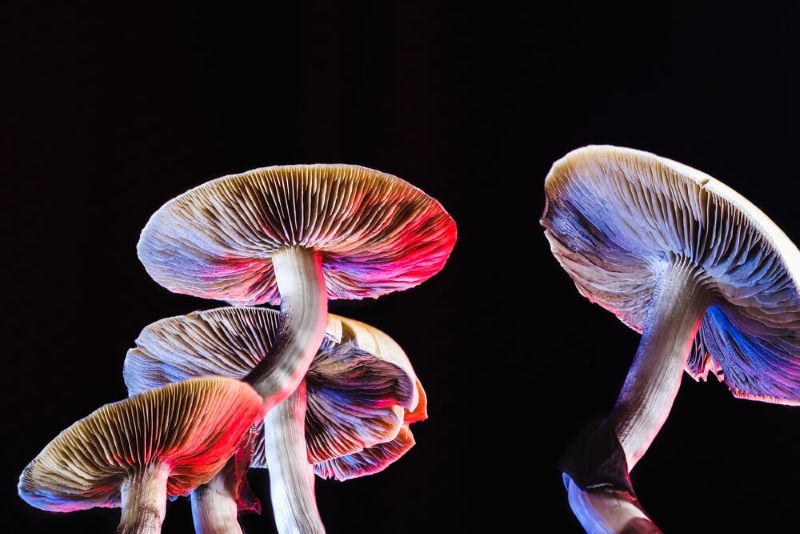
Interest in psychedelics is catching on quickly across the U.S. Not long ago, these substances lived way out on the edges of society—more taboo than talked about. That’s changed fast. These days, you’ll hear them come up in medical clinics, college classrooms, and yes, even among lawmakers.
Some states are tinkering with legalization. Promising research keeps rolling out. Suddenly, everyone from therapists to everyday folks wants to know if psychedelics could actually help treat mental health issues.
But the whole conversation is way more complicated than just hope or hype. Sure, there’s energy and optimism. There’s also plenty of hesitance and a long list of questions no one’s answered yet. So, what does all this mean right now? Let’s get into what this growing access to psychedelics could spell out for us.
When people talk about psychedelics, they’re actually covering a range of drugs that shake up your thoughts, your mood, and your senses. For ages, most people only saw them as symbols of old-school counterculture.
Here’s a quick rundown of some names you’ll hear:
All of them work in their own way, but here’s what they’ve got in common: They scramble the usual way your brain processes reality. That’s what’s catching the eye of researchers.
This isn’t just random. A few things set this in motion. You’ve got new laws on the books in places like Oregon, which decriminalized psilocybin.
Funding for clinical trials pops up here and there, private clinics are starting to offer psychedelic therapies (if you know where to look), and regulations keep changing. So yes, culture is shifting—but so are institutions.
Also Read: Are These Sleep Improvement Tips the Key to Better Sleep?
Mental health pros are paying attention for a reason: the tried-and-true options aren’t working for everyone. There’s a real need for something else, and psychedelic therapy has stepped into that opening.
What’s important to know is it’s not just people taking a trip. The process is structured—there’s preparation, a guided session, and time afterward to work through whatever comes up.
Generally, it looks like this:
The big difference? It’s not about checking out; it’s about seeing yourself and your patterns more clearly.
MDMA therapy is getting attention for helping folks with PTSD. In these clinical settings, therapists use it, alongside talk therapy, to help people revisit tough memories with less fear and more openness.
A lot of the excitement around psychedelics boils down to what early studies show. Researchers are cautious, but some results are tough to ignore.
Psilocybin seems to work especially well where standard options fall short. Right now, folks are testing it for things like:
The surprising part? Some people report feeling noticeably better within days—not weeks. Of course, not every patient has a life-changing experience, but when it works, it seems to really work.
What’s different about psychedelics is that they don’t just cover up the pain. Some people say these drugs help them break out of old thought loops and see their life from a totally fresh angle.
But, and this really matters, it’s not DIY self-help. Being unprepared or unsupported can turn things upside down fast.
Suggested Reading: Best Mental Health Awareness Tips to Build Emotional Health
With all the positives, it’s easy to slip into wishful thinking. But psychedelics aren’t harmless. Problems happen when people assume they are.
The mind is a delicate thing, and psychedelics can stir up stuff you weren’t ready for. Bad trips, anxiety spikes, confusion—they’re all possible, especially if someone has a history of mental health issues.
Clinical trials are controlled, careful, and designed for safety. Out in the real world, though, most people don’t get that kind of support. As access grows, that gap can get dangerous. Keeping things safe is going to be a challenge.
This isn’t just about science or medicine. The story of psychedelics is playing out in courts, our culture, and the economy, too—and it’s not always straightforward.
A handful of states have loosened up, especially around medical use and therapy. Others haven’t budged. The rules? Different everywhere. Public opinion? Still shifting, but way more open than a decade ago.
Some big questions are just getting started.
They’re messy, but they matter more every year.
So, is psychedelics’ comeback good or bad? It’s both. There’s incredible promise here, especially for people let down by current treatments. But these substances are powerful. We can’t treat them like an easy fix.
A responsible path would mean:
In a space this complicated, slow and steady wins the race. Rushing in—not the answer.
Don't Miss: Stress Management Techniques That Help Improve Productivity
People want more out of mental health care, and psychedelics have become a big part of that search for new solutions. Early research offers hope, but we’re not talking about risk-free miracles. How these drugs get used, who gets to use them, and what kinds of guardrails are put in place—all of this will shape whether psychedelics help or hurt in the long run.
Most classic psychedelics, such as psilocybin and LSD, are not considered physically addictive. However, psychological misuse can still happen, especially without guidance. People may rely on repeated experiences instead of addressing underlying issues properly.
The effects vary widely. Some individuals report improvements in mood or perspective for weeks or even months after a guided session. Others may need multiple sessions combined with therapy to maintain results over time.
Using psychedelic drugs at home without professional supervision carries risks. Clinical settings provide screening, guidance, and support that reduce potential harm. Without that structure, experiences can become unpredictable or overwhelming.
At present, most forms of psychedelic therapy are not widely covered by insurance. As research progresses and regulations evolve, coverage may expand, but access is still limited for many people.
This content was created by AI